
Introduction
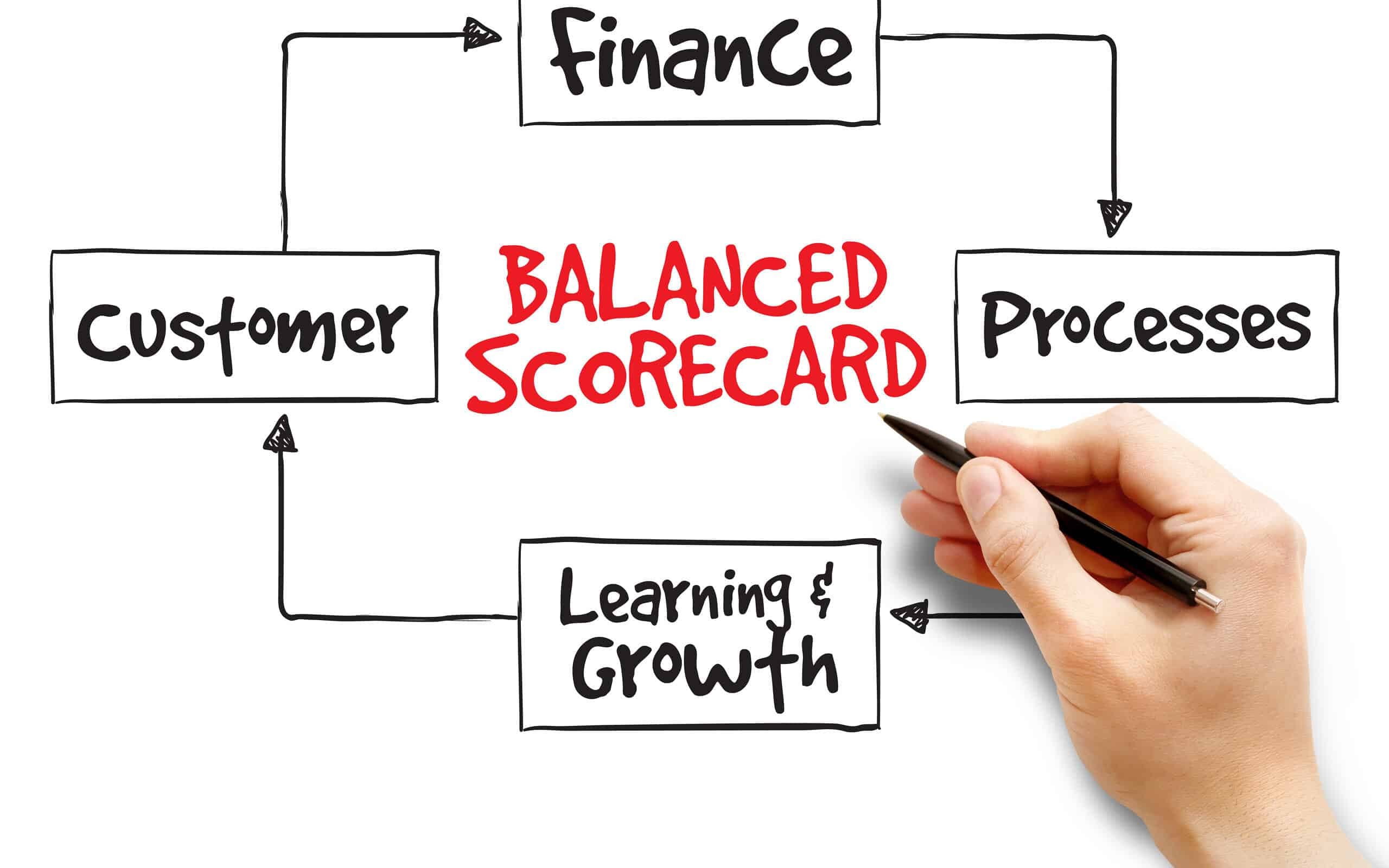
The Balanced Scorecard (BSC) is a strategic management tool designed to provide a comprehensive view of an organization’s performance by evaluating it across four key perspectives: financial, customer, internal processes, and learning and growth. Developed by Robert Kaplan and David Norton in the early 1990s, the BSC has become a widely adopted framework for translating an organization’s strategic goals into measurable objectives. This tool is particularly valuable for small business owners, HR professionals, and managers seeking to align their operations with long-term strategic objectives.
Definition and Global Employment
The BSC is defined as a management system that integrates financial and non-financial performance measures to provide a balanced view of organizational performance. It helps organizations articulate their vision and strategy, align day-to-day work with strategic goals, prioritize projects, and measure progress towards strategic targets. The BSC is used extensively across various sectors, including business, government, and non-profit organizations worldwide. According to a global study by Bain & Co, the BSC was ranked fifth among the top ten most widely used management tools globally.
Usage Scenarios
The BSC is employed in various scenarios to enhance strategic management and performance evaluation. For instance, it is used to:
- Facilitate effective communication: By providing a shared language of metrics, the BSC ensures that all stakeholders understand the organization’s strategic goals and performance measures.
- Drive focus on key requirements: The BSC helps organizations concentrate on critical success factors and align their resources accordingly.
- Monitor and improve performance: By regularly reviewing performance metrics, organizations can identify areas for improvement and take corrective actions.
Relevant Tools
Several tools and software platforms support the implementation and management of the BSC. These tools help organizations create strategy maps, define performance measures, and track progress. Examples include ClearPoint Strategy, which offers a comprehensive platform for managing BSCs, and BSC Designer, which provides templates and tutorials for creating and maintaining scorecards.
Precautions
While the BSC is a powerful tool, it is essential to consider certain precautions to ensure its effective implementation:
- Leadership buy-in: Successful implementation of the BSC requires commitment from top management. Without leadership support, the BSC may not be effectively integrated into the organization’s strategic management processes.
- Regular updates: The BSC should be regularly reviewed and updated to reflect changes in the organization’s strategic goals and external environment.
- Balanced focus: It is crucial to maintain a balance between the four perspectives of the BSC. Overemphasis on one area, such as financial performance, can lead to neglect of other critical aspects like customer satisfaction and internal processes.
How to Improve the Balanced Scorecard
To enhance the effectiveness of the BSC, organizations can adopt the following strategies:
- Integrate technology: Utilize advanced analytics and data visualization tools to gain deeper insights into performance metrics and trends.
- Foster a culture of continuous improvement: Encourage employees to engage in ongoing learning and development to drive innovation and growth.
- Align with strategic objectives: Ensure that all performance measures and initiatives are closely aligned with the organization’s long-term strategic goals.
Conclusion
The Balanced Scorecard is a versatile and effective tool for evaluating business performance across multiple dimensions. By integrating financial and non-financial metrics, it provides a holistic view of organizational performance and helps align operations with strategic objectives. For small business owners, HR professionals, and managers, the BSC offers a structured approach to strategic management and continuous improvement, ensuring long-term success and sustainability.