
A Tale of Two Business Structures
Imagine a successful tech startup, TechWave, expanding fast and breaking borders; Sarah and Mike, the founders, now have a great decision to make: the best kind of business structure to facilitate their growth around the world. With clients and contractors spread over multiple countries, they require a structure that provides flexibility while staying compliant with international regulations. Dealing with the global business terrain is not an easy ride in the park and the dilemma of establishing a Limited Liability Company (LLC) or an S Corporation (S Corp) election leads the game.
Without the proper structure, TechWave will certainly encounter opportunities for bottlenecks in cross-border payments, tax complexity, and compliance. Enter PIO — a solution that simplifies these intricacies, empowering companies such as TechWave to prioritize innovation and expansion.
What are LLCs and S Corps
LLC Overview
An LLC, or Limited Liability Company, is a common type of business structure that provides its owners, known as members, protection from personal liability. Which means that the personal property of the members is generally protected from the debts and liabilities of the company. Another benefit of an LLC is its flexibility; it can choose to be taxed as a sole proprietorship, partnership, or corporation depending on its members’ preferences.
LLCs are simpler to set up than corporations and have fewer formalities. They offer a flexible management structure and are generally preferred by small business owners due to their simplicity and tax advantages.
S Corp Overview
A second type of corporation, known as an S Corporation is a special kind of corporation with its own tax advantages. S Corps allow for pass-through income to shareholders, in contrast to a C Corporation which is taxed at the company and shareholder levels for income (double taxation). In other words, the profits belonging to the company are taxed at the individual level rather than the corporate level.
Potential self-employment tax savings: One of the biggest benefits of an S Corp is the ability to claim some of your income as a distribution, which also is not subject to payroll taxes, as compared to the taxable classification of salaries. But S Corps have more stringent operational processes, such as a limit on the number of shareholders as well as a requirement of regular meetings and corporate minutes.
LLCs and S Corps, however, have different tax treatment and a different amount of operational requirements, making the decision to choose between the two a key choice for any business.
COVID-19 Context & Relevance for Global Business
It is important for businesses with a global presence to select the best business structure as the significance of doing so is notably more. Globalization and digitization of businesses is further exacerbating the complexities of compliance with growing international tax laws and regulations, requiring businesses to effectively manage compliance exposures.
LLC and S Corps help delete most of those challenges. LLCs also provide liability protection, flexible taxation options, and fewer ownership restrictions than many C-Corps, which can be appealing for businesses conducting operations in different states. S Corps may provide such savings and may be appropriate if you are a company looking to maximize your profit and minimize tax across-state border.
The post The importance of new business structures in the digital age appeared first on Insights. When businesses grow, they also have to deal with diverse regulations to remain compliant with local laws while also managing tax liabilities. This is where pio platforms can help simplify international compliance and payment.
Challenges & Opportunities of Each Structure
Challenges with LLCs
Also, new international compliance legislation such as the Corporate Transparency Act (CTA) in the US has led to increased reporting requirements for LLCs, especially with respect to beneficial ownership. It adds an additional compliance burden, as LLCs that do business internationally will have to conduct greater due diligence, and increase their documentation.
Opportunities with S corps
S Corps, however, provide opportunities to save on taxes, especially via self-employment taxes. S Corps reduce payroll tax liabilities by uniting the salary and dividend mechanism which can lead to savings of thousands in taxes.
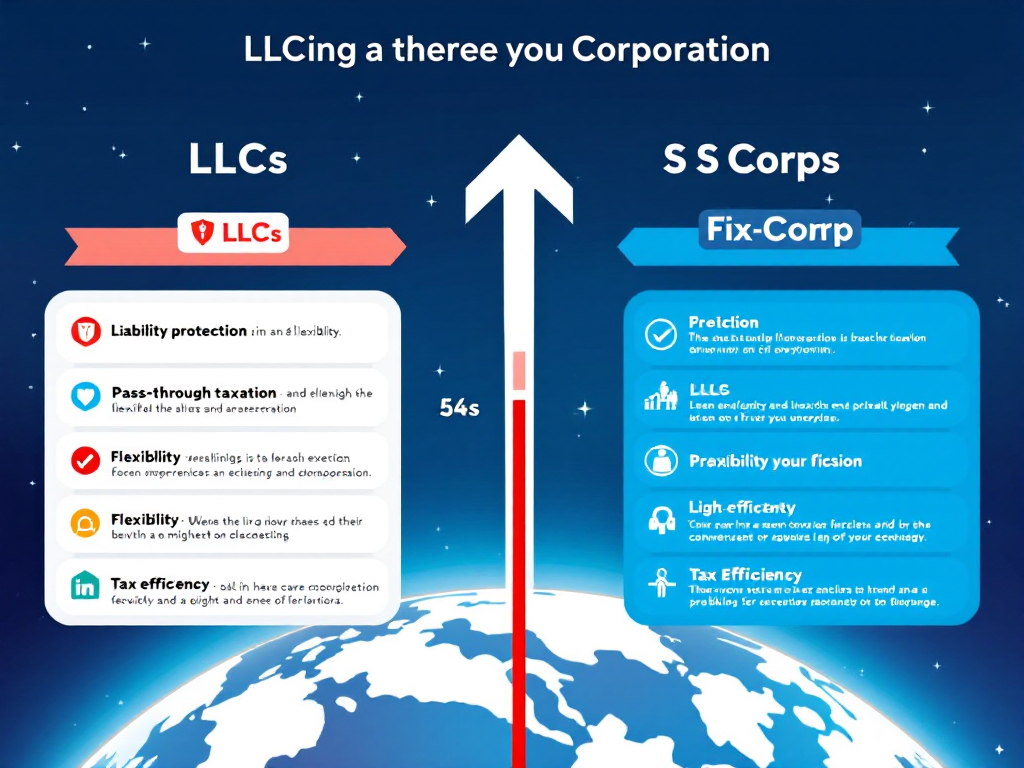
On the downside, S Corps have their own set of rules to follow, including strict regulations on shareholders and how the business must be run. They are also limited to 100 shareholders, all of whom need to be US citizens or residents; they also have to comply with some formalities, which can be burdensome for companies in some situations.
Both LLCs and S Corps have unique advantages and drawbacks, and the choice is very much based on the unique requirements and objectives of the business.
Learn From The Specialists & Pro-Tips
What the Experts Say
“Choosing between an LLC and an S Corp should align with your business goals, particularly if your operations are abroad. Think of things like tax implications, flexibility of ownership and compliance requirements.” — Jane Doe, the Business Structure Expert
When choosing between an LLC and an S Corp, experts recommend that you assess your business’s long-term goals and period of international operations. Here are a few best practices:
- Do a complete tax analysis in each jurisdiction you operate in.
- Workflow automation tools can help streamline your compliance and reporting.
- Use solutions such as PIO for seamless international payments and compliance management.
Pitfalls to Avoid
- Don’t neglect maintaining proper documentation and corporate formalities.
- Do not select a structure based on short-term tax savings without thoughtful consideration of the long-term consequences.
- Make sure your business structure matches your international expansion plan.
Case Studies in the Real World
Consider GlobalTech Solutions, a company that faced challenges in handling worldwide invoices and tax compliance. They first set up as an LLC, but ran into issues of tax treatment in the various countries where they operated. Thus, by using PIO and switching to an S Corp they removed the headache of filing each tax bracket as a self employed individual and reduced their overall income through self employment taxes dramatically.
Another of these cases is EcoWear, a sustainable fashion brand that formed an LLC because of its flexible management structure. Thanks to PIO, they automised their compliance processes to enable them to do what really matters: Expand their ethical supply chain across continents.
What the Future Holds: Trends for Business Structure
The future of LLCs and S Corps in light of emerging trends and regulations
Provisions that lowered individual income tax rates and expanded the qualified business income (QBI) deduction under the 2017 Tax Cuts and Jobs Act are scheduled to expire after 2025, potentially affecting S Corps.
Another emerging trend is hybrid business structures, a mix of centralized decision-making and decentralized regional functions. This method of operating enables companies to be nimble and sensitive to domestic marketplaces while utilizing technology to execute remote collaboration and administration.
Business that engage proactively with these trends and accompanying regulatory reform will maintain a competitive advantage in terms of Factoring their global operations. This is where platforms such as PIO will help facilitate long-term transitions by providing the necessary tools needed to navigate the complexities of international business.
Wrap Up & Call to Action
LLC Vs S Corps —Difference between LLCs & S CorpsGlobal businesses need to understand how to go from LLC to S Corps. A good choice can mean substantial tax savings, ease of compliance and operational efficiencies. When you’re assessing your business needs, look for ways in which platforms like PIO can help you streamline operations across countries.
Are you ready to streamline your global operations and start addressing the challenges that come with this? Learn more at https://pioinc.com/ — Comment who and what you love! Subscribe to our newsletter or request a demo now!