
Introduction: A Startup’s Tax Dilemma
Imagine a burgeoning startup, “TechInnovate,” that has recently expanded its operations across three continents. With a surge in sales and a growing global workforce, the founders find themselves entangled in a web of high tax burdens and complex administrative challenges. Despite their success, the mounting financial and regulatory pressures threaten to stifle their growth. This is where the S-Corp structure emerges as a beacon of hope. By transitioning to an S-Corp, TechInnovate could potentially alleviate some of these burdens, allowing them to focus on innovation and expansion. Moreover, platforms like PIO are essential allies in managing such financial complexities, offering solutions that streamline operations and ensure compliance across borders.
Understanding the S-Corp Structure
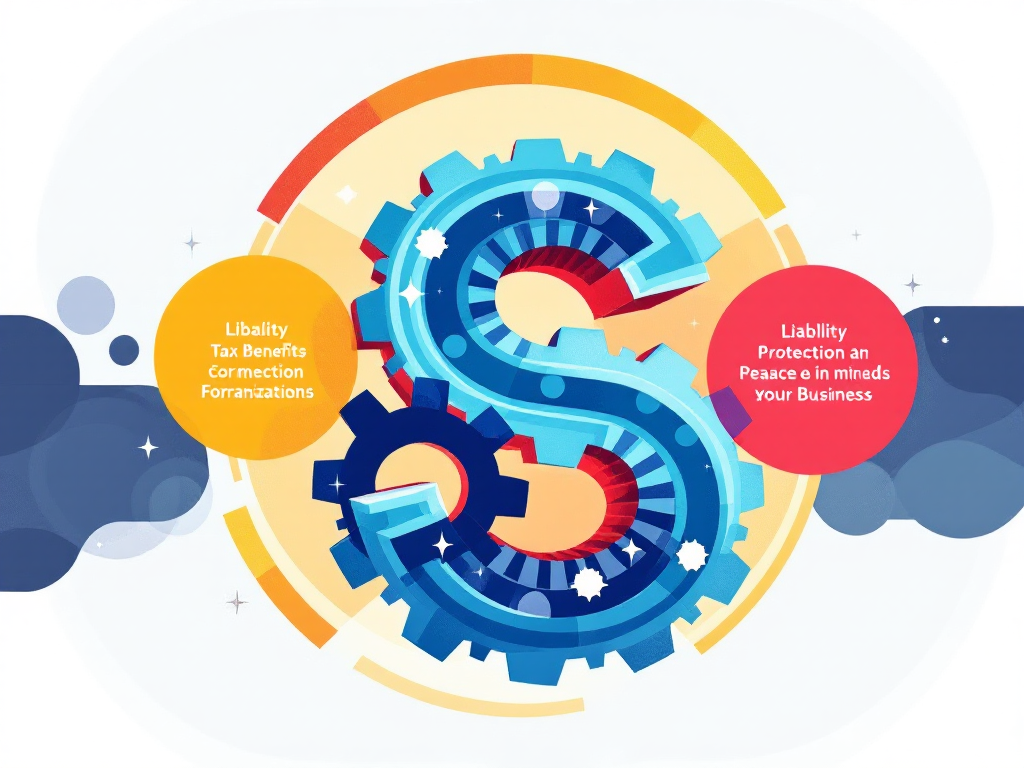
Tax Benefits
An S-Corporation, or S-Corp, is a special type of corporation that allows income to pass through to the owners’ personal income without being subject to corporate tax rates. This structure provides significant tax advantages, especially for small to medium-sized enterprises aiming to maximize their profitability. By opting for pass-through taxation, business owners can avoid the dreaded “double taxation” that typically affects C-Corporations, where income is taxed both at the corporate level and again as shareholder dividends.
Liability Protection
Beyond tax benefits, S-Corps offer substantial liability protection. Owners, or shareholders, are generally not personally liable for business debts and liabilities. This means that their personal assets are safeguarded in the event of financial losses or legal actions against the company. Such protection is crucial for entrepreneurs who wish to venture into new markets or invest in innovative projects without risking personal financial ruin.
Significance for Global Businesses
In today’s interconnected world, the relevance of S-Corps for businesses with international operations cannot be overstated. As companies like TechInnovate expand their reach, they encounter varied tax regimes and compliance requirements across different countries. An S-Corp structure can streamline these operations by simplifying tax obligations and enabling consistent financial reporting standards. This is particularly advantageous amid industry trends like remote work and global expansions, where maintaining operational efficiency and compliance becomes increasingly complex.
Platforms such as PIO are invaluable in this context, offering integrated solutions that cater to the multifaceted needs of global businesses. They help manage cross-border transactions, automate payroll processes, and ensure compliance with international tax laws, thereby reducing the administrative burden on companies.
Common Challenges and Opportunities
Transitioning to an S-Corp is not without its challenges. Businesses often face complex tax regulations and administrative burdens that can hinder operational efficiency. Navigating these intricacies requires meticulous attention to detail and a thorough understanding of both domestic and international tax laws.
However, the opportunities presented by an S-Corp structure are equally compelling. Companies can achieve significant cost savings through reduced tax liabilities and enhanced operational efficiency. By streamlining processes and leveraging technology, businesses can focus on core activities and drive innovation. These benefits are particularly pronounced in industries such as technology and finance, where agility and cost-effectiveness are paramount.
Expert Insights on S-Corp Management
What the Experts Say
“An S-Corp structure can be a game-changer for businesses looking to optimize their tax strategy and protect their assets. It’s essential, however, to ensure compliance with all relevant regulations to fully capitalize on these benefits.” — Jane Doe, Tax Consultant at Global Finance Advisors
Pitfalls to Avoid
- Neglecting to adhere to state-specific regulations, which can lead to penalties and fines.
- Failing to maintain accurate and timely records, risking compliance issues and potential audits.
- Overlooking the importance of shareholder agreements and clear communication among stakeholders.
To manage an S-Corp effectively, businesses should consider implementing robust workflow automation tools and maintaining a comprehensive compliance checklist. Integrating a reliable tech stack, such as PIO, can further streamline financial operations, ensuring accurate reporting and compliance with international standards.
Case Studies: S-Corp Success Stories
Consider the case of “EcoSolutions,” a sustainability-focused company that faced mounting costs due to complex international tax obligations. By transitioning to an S-Corp and leveraging PIO’s comprehensive financial management tools, EcoSolutions was able to achieve a 30% reduction in tax-related expenses. This transformation not only improved their bottom line but also allowed them to reinvest savings into research and development, driving innovation in sustainable technologies.
Another example is “GlobalTech,” a software company that struggled with the administrative complexities of managing a diverse international workforce. By adopting an S-Corp structure and utilizing PIO’s payroll automation features, they streamlined their operations, reducing payroll processing time by 40% and enhancing overall efficiency.
Future Trends: The Evolving Role of S-Corps
As the business landscape continues to evolve, so too will the role of S-Corps. Emerging regulations, such as changes in international tax treaties and increased scrutiny on digital transactions, will necessitate adaptability and proactive management. Technological advancements, including blockchain and artificial intelligence, offer new opportunities for enhancing transparency and efficiency in financial operations.
Businesses that stay ahead of these trends and leverage the flexibility of the S-Corp structure will be well-positioned to maintain a competitive edge in the global market. Platforms like PIO will play a crucial role in this evolution, providing the tools necessary to navigate regulatory changes and capitalize on technological innovations.
Conclusion & Call to Action
In summary, forming an S-Corp offers numerous benefits for businesses operating on an international scale, from tax advantages to liability protection and beyond. As we look to the future, the ability to adapt to regulatory changes and technological advancements will be critical for sustained success.
We invite you to share your experiences and insights on the benefits of an S-Corp. Explore how PIO can assist in simplifying your global operations and ensuring compliance with ease. Ready to tackle your business challenges head-on? Discover how PIO can help by visiting https://pioinc.com/.