
What is Pay Stub?
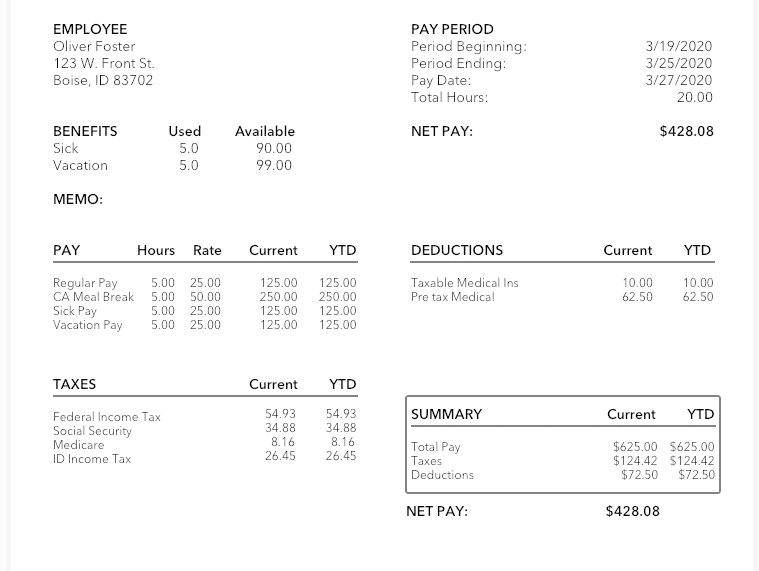
A pay stub, also known as a payslip or paycheck stub, is a crucial document that outlines an employee’s payment details for a specific pay period. This article will provide an in-depth look at what pay stubs are, what information they contain, and their importance for both employees and employers.
What Does a Pay Stub Look Like?
Pay stubs come in two main forms:
- Physical paychecks: If employees receive paper checks, their pay stubs are usually attached to the checks via perforation.
- Digital pay stubs: When employees are paid via direct deposit, they can access their pay stubs through an online payroll service.
Information Included on a Pay Stub
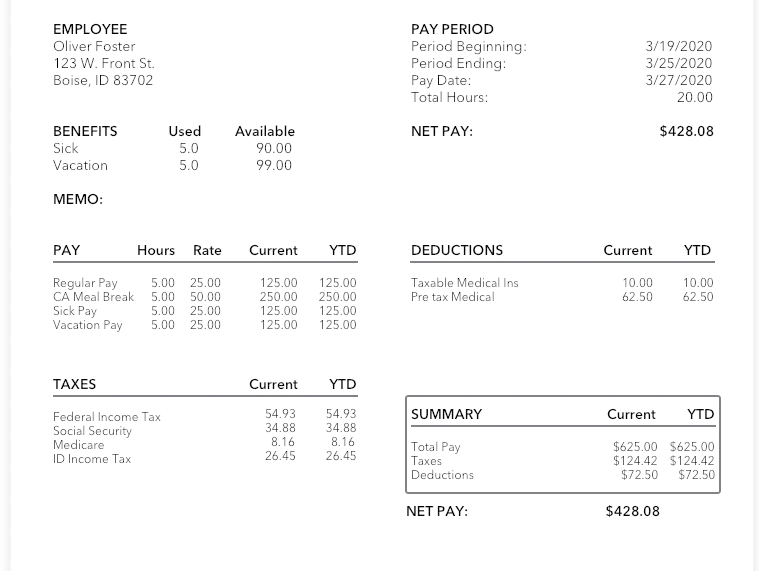
In the United States, pay stubs typically include the following elements:
- Employer information: Company name, address, contact details, and Employer Identification Number (EIN)
- Employee information: Full name, address, and Taxpayer Identification Number (TIN), Social Security Number (SSN), or Individual Taxpayer Identification Number (ITIN)
- Hourly rate: The amount hourly employees earn per hour worked, including any holiday pay differences
- Number of hours: Total hours worked during the pay period
- Overtime pay: Hours worked overtime and the corresponding pay
- Bonuses and rewards: Any additional income earned by the employee
- Paid time off: Number of paid days off used and the corresponding pay
- Gross wages: Total pre-tax earnings before deductions
- Tax deductions (payroll taxes): Amounts withheld for federal, state, and local taxes, as well as FICA, Medicare, and Social Security
- Benefits deductions: Amounts withheld for health insurance, life insurance, disability insurance, 401(k) payments, and retirement plans
- Wage garnishments: Amounts withheld due to court orders or legal actions to pay off debts
- Back pay/back wages: Any previously unpaid wages owed to the employee
- Net pay: The final amount the employee receives after all deductions and contributions, for both the current pay period and year-to-date
Pay Stub vs. Paycheck
It’s important to note that a pay stub and a paycheck are not the same thing. A pay stub is part of a paycheck that details the payment information, while the paycheck itself contains the actual payment owed to the employee.
The Importance of Pay Stubs
Pay stubs serve several important purposes for both employers and employees:
For Employers
- Keeping pay stubs is recommended for tax purposes and to prevent disputes with employees over pay discrepancies.
- The Fair Labor Standards Act (FLSA) requires employers to keep payroll records for each employee for at least three years.
For Employees
- Reviewing pay stubs helps employees understand their taxes, deductions, and contributions.
- Pay stubs ensure employees are paid properly for their work.
- Pay stubs may be required for housing purposes, such as renting or buying a home, to prove income can cover regular payments.
- Pay stubs may be necessary when applying for loans to demonstrate income.
Pay Stub Requirements by State
There is no federal law in the United States that requires employers to provide pay stubs. However, many states have their own laws mandating pay stub provision. States that do not require employers to issue pay stubs include:
- Alabama
- Arkansas
- Florida
- Georgia
- Louisiana
- Mississippi
- Ohio
- South Dakota
- Tennessee
In states where pay stubs are mandatory, requirements vary. Some states are “Access States,” where employers must provide employees with access to pay stubs, either physically or electronically. Other states are “Access/Print States,” where employers can provide physical or electronic pay stubs, but they must be easily accessible and printable.
Retention of Pay Stubs
Employees are generally advised to keep their pay stubs for one year or until they have compared them to their IRS Form W-2 and annual Social Security statement to ensure the information matches. Electronic pay statements are easier to store for longer periods if needed. In conclusion, pay stubs are essential documents that provide transparency and clarity for both employees and employers regarding compensation. Understanding the information contained in pay stubs and the legal requirements surrounding their provision is crucial for navigating the employer-employee relationship and ensuring compliance with state and federal regulations.