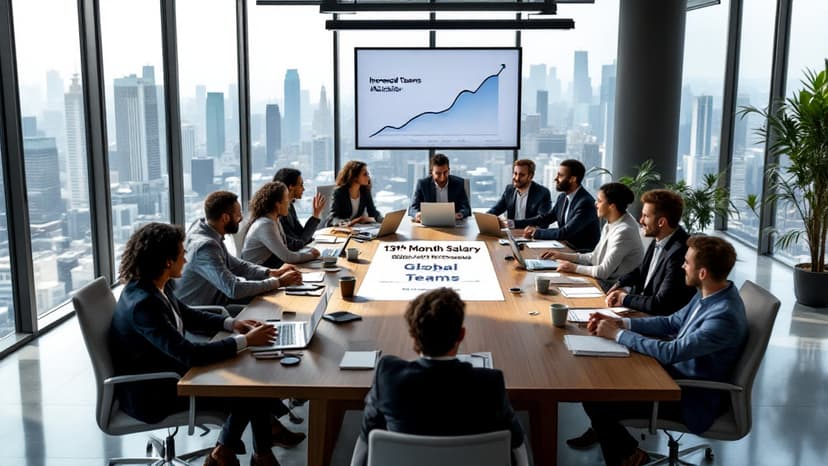

Introductory Story: Challenge of the World’s Workforce
Imagine a fast-scaling startup called “GlobalTech Innovators,” to portray it as growing rapidly and hiring an internationally diverse team to access many talent pools. They have offices in different countries and both remote and in-office employees, which makes it a huge challenge to be able to maintain a consistent and positive employee experience. From overcoming cross-cultural communication challenges to dealing with time zone differences, the challenges are many. The leadership team recognizes that a cohesive approach is essential to maintain productivity and employee morale. And this is where PIO comes into play, integrating all the processes under one roof and making sure every employee feels appreciated, no matter where they are located.
Context & Importance of Employee Experience
In the increasingly interconnected business world we work in today, the importance of employee experience is not something that can be overstated. Organizations like GlobalTech Innovators recognize the importance of establishing a frictionless experience for employees across different geographies and countries, making it not just a strategic edge but a fundamental fact. As remote work rises due to more technological advancement as well as a general switch in work culture, companies are focusing on improving employee experience to retain employees and increase productivity.
Pre-Covid,confused cheating embarrassing pn2ppA5_pexels-franklin-5292979.jpg job_156531/Job-Postings-The-importance-of-employee-experience-in-a-remote-work-by-passport1 best job site in canada 2023 Post PwDCA to enter,2641186 article The importance of employee experience in a remote work era. More companies are cultivating a positive experience because it equates to better retention and productivity. A good employee experience promotes engagement, lowers turnover, and improves overall company culture. With companies going beyond domestic borders to grow, refining employee experience is key to an organization’s success.
Challenges & Opportunities in Global Employee Experience
There are always unique challenges that come with managing a global workforce. Companies face many challenges — communication barriers, cultural differences and time zone differences to name a few. For example, employees from different regions might have differing assumptions about work-life balance, communication styles, and workplace standards. If not addressed properly these type of differences can result in a situation of misunderstanding and low morale.
But these challenges also offer opportunities. When employees come from different cultural backgrounds, they help to share their experiences and bring fresh viewpoints to move the team forward. This diversity can help companies build a work environment that is more inclusive and dynamic. Additionally, breaking the geographical barriers enables businesses to tap into a larger pool of talent providing them with an edge in terms of agility and competition.
Each sector has its own challenges and opportunities when it comes to employee experience. Example: Tech companies might find virtual collaboration difficult, while service-based organizations may have challenges in maintaining quality of service across different territories. Understanding these sector nuances is important for the tailoring of employee experience strategies.
Expert Tips and Best Practices
What the Experts Say
“In the global context, improving employee experience involves a strategic combination of technology and empathy. Companies need to make sure these tools are enabling effortless collaboration while also developing a culture of inclusion and courtesy.” Jane Doe, Global HR Expert
Pitfalls to Avoid
- Keep in mind the value of cultural responsiveness while you’re networking.
- No one-size-fits-all approach to employee engagement.
- Avoid relying only on traditional means of communication; adopt tech-driven solutions.
To ensure effective employee experience improvement, it is essential to adopt best practices that suit the need of a global workforce. Here are a few practical suggestions:
- Invest in Technology:
- Use collaboration tools such as Slack or Microsoft teams to enable communication across time zone in real time.
- Flexibility: Allow people to work flexible hours and work remotely from their weekend homes.
- Continuous Feedback Mechanisms: Create channels for ongoing feedback to address employee issues and enhance morale.
Promote Cultural Sensitivity: Organize cultural exchange events or workshops to enhance mutual understanding and respect among team members.
Solutions that make better cross-border communication and collaboration easier enrich these best practices, and PIO supports this by helping companies to manage their global teams efficiently.
Real-World Anecdotes and Case Studies
Consider the scenario of “Innovate Solutions,” a global corporation operating with distributed offices in major cities worldwide, facing challenges in keeping employees fully engaged and motivated. Dealing with high-turnover and low-morale they discovered PIO as a solution. Using PIO’s bundled software, they managed to consolidate communication and simplify payroll and benefits experiences for employees. Innovate Solutions experienced a rise of 20% in employee satisfaction and a drastic decrease in turnover rates within a year.

Another use case is “TechPioneers,” a technology start-up company that used PIO to manage its global contractors. This not only streamlined payment processes and improved communication but also resulted in a 15% increase in project efficiency and a stronger, more connected team, ultimately increasing contractor satisfaction.
The Future of Employee Experience: Looking Ahead
The Future of Employee Experience – Emerging Technologies and Work Paradigms You Are Trained Up to: October 2023 HR trends 2023 AI is expected to revolutionize employee experience from hiring to job development. AI-backed analytics can assist companies in gaining a better understanding of employee requirements and offer solutions for increased engagement and productivity.
Moreover, virtual reality (VR) can spark a paradigm shift in training programs, providing experiential and unprecedented immersive learning opportunities regardless of geographical landscape. As these technologies begin to become available, organizations that adopt them will likely find themselves in a better position to attract and retain top talent.
On the regulatory side, companies need to remain mindful of updates on labor laws and compliance regulations in various regions. Proactive adaptation to these changes will be key to managing a compliant and harmonious global workforce.
Conclusion & Call to Action
To summarize, prioritizing employee experience is not merely a strategy for multinational organizations; it is an essential condition for sustainability. By tackling the challenges as well as capitalising on the opportunities of a global workforce, businesses can foster a nurturing, inclusive workplace. What have we missed, and what questions do you have, share your ideas and thoughts below.
Are you ready to streamline your global operations and address employee experience? Learn more about PIO services.https://pioinc.com/ Sign up for a newsletter, book a demo or download our whitepaper for rich insights on global workforce strategy.