

Introduction: A Global Workforce Challenge
Imagine a thriving multinational corporation spread across continents, each regional office bustling with activities unique to its location. But beneath this vibrant tapestry of global operations lies a tangled web of diverse legal workweek standards. For a company like this, managing varied workweek regulations is not just an administrative task; it’s a strategic challenge. Each country has its own rules, influenced by local culture, economic conditions, and labor rights movements. This reality creates a complex landscape for companies aiming to maintain compliance while optimizing productivity.
As businesses expand globally, they often find themselves grappling with these diverse workweek regulations. The longest legal workweek in one country might be vastly different from another, leading to potential compliance issues, employee burnout, and productivity challenges. This is where PIO enters the scene. As a platform designed to streamline operations, PIO helps companies navigate the intricate world of global workweek standards, ensuring compliance and efficiency without compromising employee well-being.
Understanding the Longest Legal Workweek
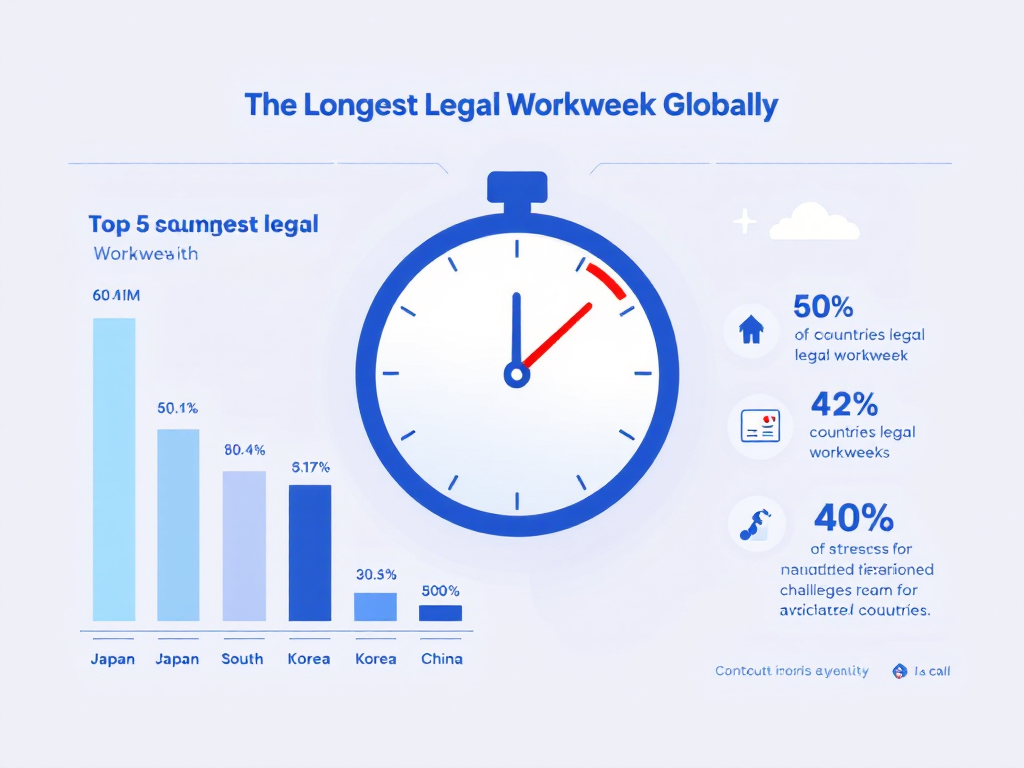
The concept of the longest legal workweek varies significantly across the globe. In some regions, the standard workweek is capped at 40 hours, while in others, it can extend to 48 or even 60 hours. These variations are often influenced by historical, economic, and social factors. For example, in many European countries, labor laws are closely tied to strong union movements that advocate for shorter workweeks to improve work-life balance. On the other hand, in emerging economies, longer workweeks might be seen as a way to boost productivity and economic growth.
Understanding these differences is crucial for companies with a global presence. Not only do they need to comply with local laws to avoid legal repercussions, but they also need to manage their workforce in a way that respects local customs and expectations. This requires a nuanced approach that balances legal compliance with cultural sensitivity.
Challenges and Opportunities
One of the primary challenges companies face is maintaining compliance across jurisdictions with different workweek standards. This can lead to administrative burdens, especially for HR departments that must keep track of varying regulations and ensure that their practices align with local laws. Additionally, inconsistent workweeks can create discrepancies in employee workload and compensation, leading to potential dissatisfaction and burnout.
However, these challenges also present opportunities. By embracing flexibility and innovation, companies can use these variations to their advantage. For instance, offering flexible work arrangements can attract top talent who value work-life balance, thus expanding the talent pool. Additionally, companies that adapt to local workweek standards can demonstrate cultural respect and sensitivity, which can enhance their reputation and brand loyalty.
Expert Insights and Best Practices
What the Experts Say
“The key to successfully managing diverse workweek regulations is flexibility. Companies that can adapt their policies to meet local needs while maintaining a cohesive global strategy will find themselves ahead of the curve.” — John Doe, Global HR Specialist
Experts agree that flexibility is crucial when dealing with varied workweek standards. This means implementing policies that allow for local adaptations while ensuring that the core values and goals of the company are upheld. One strategy is to develop a centralized compliance checklist that can be adapted to meet local requirements. This ensures that all offices are aligned with global standards while respecting local laws.
Pitfalls to Avoid
- Do not overlook local labor laws. Always stay updated with any changes in regulations.
- Do not assume that what works in one region will work in another. Tailor your strategies to fit local contexts.
- Do not ignore employee feedback. Regularly solicit input from your workforce to understand their needs and challenges.
By avoiding these common pitfalls, companies can create a work environment that is both compliant and conducive to productivity.
Real-World Anecdotes
Consider the case of GlobalTech, a tech giant with offices in Asia, Europe, and North America. GlobalTech faced significant challenges in managing different workweek standards, which led to inconsistencies in productivity and employee satisfaction. By partnering with PIO, GlobalTech was able to streamline its operations. The platform provided a centralized solution for managing compliance across different regions, reducing administrative burdens and ensuring that all employees adhered to local laws.
The results were impressive. Within a year, GlobalTech reported a 20% increase in overall productivity and a noticeable improvement in employee morale. The company was able to better align its global operations, creating a more cohesive and efficient workforce.
Future Trends in Workweek Regulations
As the world continues to evolve, so too do workweek regulations. Emerging trends such as remote work and digital nomadism are reshaping traditional notions of work. In the future, we can expect more countries to adopt flexible workweek policies that cater to the changing needs of the workforce. This shift will require companies to remain agile and proactive in adapting their strategies.
Moreover, technological advancements like automation and AI are likely to influence workweek standards. As tasks become more automated, the need for a traditional 40-hour workweek may diminish, leading to more discussions around shorter workweeks without a loss in productivity.
Conclusion and Call to Action
Understanding and adapting to the longest legal workweek standards is not just a matter of compliance; it’s a strategic necessity for global businesses. By embracing flexibility and leveraging platforms like PIO, companies can navigate these challenges effectively, ensuring a productive and satisfied workforce.
We invite you to share your experiences and insights on managing diverse workweek standards. How has your company adapted to these challenges? For those looking to simplify their global operations, explore how PIO can provide tailored solutions to meet your needs. Ready to tackle workweek challenges head-on? Discover how PIO can help — https://pioinc.com/.