

Introduction: A Double-Edged Sword
Imagine a promising tech startup, TechNova, that has just secured a major contract with a European client. Excited by the opportunity, they quickly expand their operations across borders, hiring remote teams and setting up supply chains. However, as invoices pile up, they encounter unexpected hurdles: fluctuating exchange rates, complex compliance requirements, and cultural misunderstandings. In the whirlwind of expansion, they realize that globalization, while offering immense opportunities, also presents daunting challenges.
This scenario is all too common for businesses venturing into global markets. Globalization is often seen as a double-edged sword, offering pathways to new markets and talent but also introducing complexities that can hinder growth. This is where platforms like PIO step in, providing solutions that simplify these complexities without taking the spotlight in a hard-sell manner.
The Significance of Globalization for Businesses
Globalization is no longer just a buzzword; it’s a critical component of modern business strategy. For companies with global operations, it means more than just expanding market reach. It involves tapping into diverse talent pools, optimizing supply chains, and competing on an international scale. The rise of remote work and digital technologies has accelerated this trend, enabling even small businesses to access global opportunities.
According to recent statistics, remote work has increased by 159% since 2009, and businesses are increasingly targeting international markets to sustain growth. This shift has broadened the horizon for many companies, allowing them to access new customer bases and increase their competitive edge. However, with these opportunities come broader impacts on business strategies, requiring a nuanced understanding of global dynamics.
Challenges of Globalization: What Businesses Face
Common Pain Points
Despite its allure, globalization is fraught with challenges. Companies often grapple with:
- Cultural Differences: Misunderstandings rooted in cultural nuances can derail negotiations and partnerships.
- Compliance Complexities: Navigating different regulatory environments can be daunting, with each country having its own set of rules.
- Logistical Hurdles: Coordinating international supply chains requires meticulous planning and execution.
Opportunities Amidst Challenges
Yet, within these challenges lie opportunities. By addressing these issues head-on, businesses can:
- Access New Markets: Reaching untapped customer segments can drive growth.
- Leverage Diverse Talent Pools: Hiring globally can bring in fresh perspectives and skills.
These challenges and opportunities manifest differently across sectors and company sizes. While a tech startup may struggle with international hiring, a manufacturing company might face supply chain disruptions. Understanding these nuances is key to crafting effective globalization strategies.
Expert Insights & Best Practices for Managing Globalization
What the Experts Say
“Embracing globalization requires a strategic approach, balancing local nuances with global perspectives. Leveraging technology is crucial to streamline operations and maintain compliance.” — Dr. Alex Thompson, Global Business Strategist
Experts agree that successful globalization hinges on strategic planning and the use of technology. Here are some best practices:
- Workflow Automation: Automating routine tasks can reduce errors and improve efficiency. For instance, automating customer support processes can lead to quicker response times and improved customer satisfaction.
- Compliance Checklists: Maintaining a checklist for regulatory requirements can ensure adherence to local laws. This practice is particularly important in industries such as finance and healthcare, where regulations are strict and constantly evolving.
- Tech Stack Recommendations: Investing in robust technology solutions like PIO can streamline international operations. These solutions offer integrated platforms that handle everything from payment processing to inventory management, making it easier to manage diverse markets.
Pitfalls to Avoid
Common mistakes can derail globalization efforts. Here are a few pitfalls to avoid:
- Neglecting local market research, which can lead to product mismatches and failed marketing campaigns.
- Underestimating cultural differences, potentially resulting in alienating customers and losing market share.
- Overlooking compliance requirements, which can result in hefty fines and legal complications.
Real-World Examples: Success Stories and Lessons Learned
Consider the case of Globetrotter Apparel, a fashion brand that expanded into Asia. Initially, they faced logistical nightmares and cultural missteps. However, by partnering with PIO, they streamlined their payment processes and gained insights into local market trends. As a result, they achieved a 30% reduction in operational costs and boosted their market share.
Another example is FinTech Innovators, a financial services startup that struggled with international payroll. By implementing an automated payroll system through PIO, they not only ensured timely payments but also maintained compliance across multiple jurisdictions, saving them both time and resources.
The Future of Globalization: Trends and Predictions
The landscape of globalization is constantly evolving, driven by technological advancements and regulatory shifts. Emerging technologies like blockchain and the proliferation of e-wallets are set to redefine cross-border transactions, offering more secure and efficient ways to conduct business.
Regulatory changes are also on the horizon, with increasing emphasis on data privacy and cybersecurity. Businesses that stay ahead of these trends can maintain a competitive edge. Adaptability will be crucial, as companies must be ready to pivot their strategies in response to these changes.
Conclusion & Call to Action
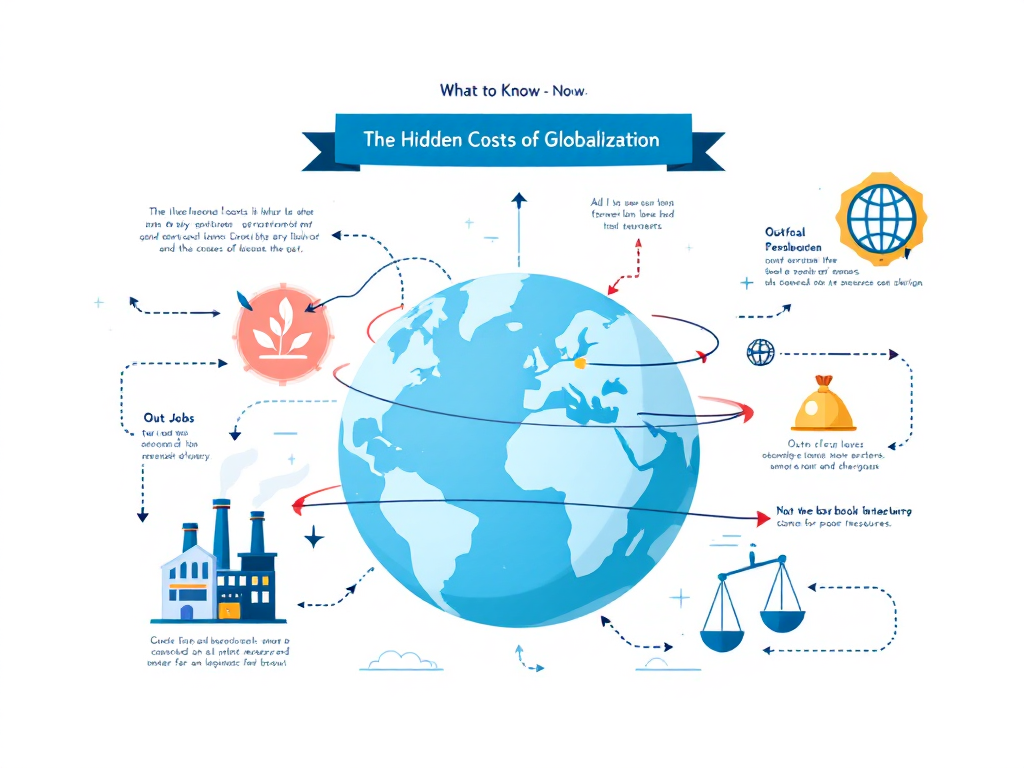
In conclusion, while globalization presents hidden costs, understanding and addressing these challenges can unlock significant opportunities for growth. By employing strategic planning and leveraging technology, businesses can navigate the complexities of international operations effectively.
Ready to simplify your global operations and tackle globalization head-on? Discover how PIO can help — https://pioinc.com/.
We invite you to share your experiences with globalization. Comment below or explore PIO for deeper insights into managing global business challenges.