Being an employer
Tax and payroll authorityJurisdiction: Albania
Publisher
General Directorate of Taxes of Albania
Checked
24 مارس 2026
رؤى عالمية
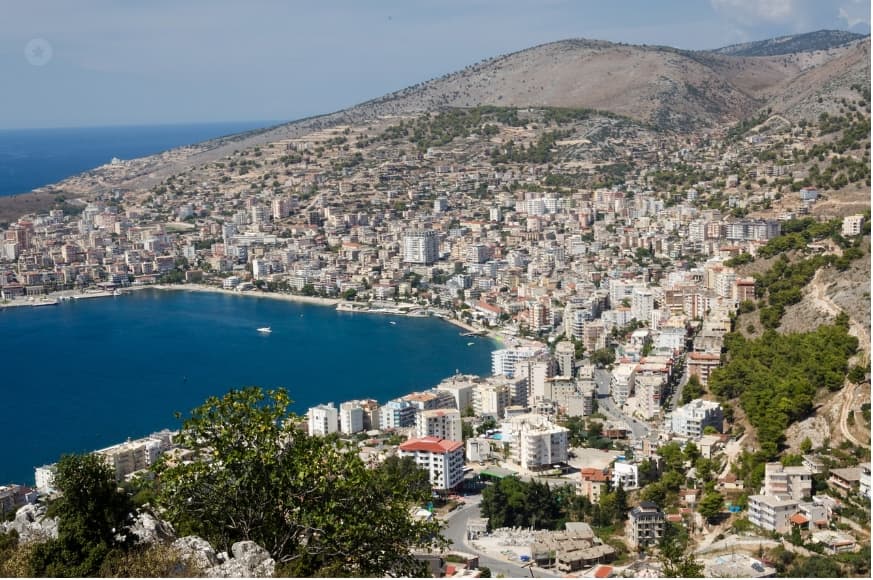
Albania hiring execution generally depends on disciplined income-tax withholding, social-insurance handling, and documented employer compliance. Employers should align payroll, leave, and separation controls before local hiring.
Operational snapshot
Albania hiring execution generally depends on disciplined income-tax withholding, social-insurance handling, and documented employer compliance. Employers should align payroll, leave, and separation controls before local hiring.
العاصمة
Tirana
Payroll cycle
Monthly
Employer contribution
16.7%
Languages
Albanian
العملة
Albanian Lek
Last reviewed
23 مارس 2026
Employment and compliance summary
Employer cost and contributions
Employer planning should include salary commitments, social-insurance and health-insurance contributions, and the wider cost of compliant employment administration instead of modeling only...
Payroll and tax operations
Payroll should be configured for Albania income-tax withholding, contribution handling, and defensible worker records from the first cycle. Employers should verify withholding workflow, pay...
Leave and holiday rules
Leave balances and public-holiday administration should stay aligned with local employment terms and internal worker records. Holiday treatment should be reviewed before role changes,...
Termination and notice
Employment exits should be checked against documented employer procedure, notice handling, and supporting records before execution. Final pay, unused leave, and payroll closeout should be...
As of 2022, the national minimum wage in Albania is set at ALL 34,000 per month. This amount represents the minimum compensation that employers must pay their workers. While many employers pay more than this minimum, it serves as a baseline for salary negotiations and compliance with labor laws.
| Minimum Wage | Amount (ALL) |
|---|---|
| Current Minimum Wage | 34,000 |
Albania employs a progressive income tax system for individuals. The tax rates are structured as follows:
Employers are responsible for withholding these taxes from employees’ salaries and remitting them to the tax authorities.
| Income Level | Income Tax Rate (%) |
|---|---|
| Up to ALL 30,000 | 0% |
| ALL 30,001 – ALL 200,000 | 13% |
| Over ALL 200,000 | 23% |
The total payroll cost for employers in Albania includes various mandatory contributions. Employers are required to contribute approximately 16.7% of an employee’s gross salary towards social security and health insurance. The breakdown of these contributions is as follows:
Employees also contribute to social security and health insurance at rates of 9.5% and 1.7%, respectively.
| Cost Component | Employer Contribution (%) | Employee Contribution (%) |
|---|---|---|
| Social Security | 15% | 9.5% |
| Health Insurance | 1.7% | 1.7% |
| Total Payroll Cost | 16.7% | 11.2% |
In Albania, the standard working hours are set at 40 hours per week. Overtime is permitted but must comply with specific regulations:
| Overtime Regulation | Pay Rate |
|---|---|
| Standard Overtime | +25% of regular pay |
| Weekend/Public Holiday Work | +50% of regular pay |
This comprehensive overview covers the minimum wage, income tax structure, payroll costs, and overtime regulations in Albania. Understanding these aspects is crucial for employers to ensure compliance with local labor laws while effectively managing workforce costs.
In Albania, the standard working hours are defined by law. The typical workweek consists of 40 hours, with a maximum of 8 hours per day for adult employees. For employees under 18 years of age, the daily working hours are limited to 6 hours.Employees are entitled to at least one full day of rest each week, typically on Sunday. However, exceptions can be made based on specific business needs or public service requirements.
| Working Hours Regulation | Standard Hours | Maximum Daily Hours | Maximum Weekly Hours |
|---|---|---|---|
| Regular | 8 hours | 8 hours | 40 hours |
| Under 18 Years | 6 hours | 6 hours | 30 hours |
Overtime is defined as any work performed beyond the standard 40 hours per week or 8 hours per day. According to Albanian labor law, overtime must be compensated at a minimum rate of 25% above the regular hourly wage. If overtime occurs during weekends or public holidays, the pay increases to 50% above the standard rate.Employers cannot require employees to work overtime without their consent, and employees are limited to a maximum of 200 hours of overtime per year.
| Overtime Regulation | Pay Rate |
|---|---|
| Standard Overtime | +25% of regular pay |
| Weekend/Public Holiday Work | +50% of regular pay |
Albanian labor law provides various types of leave for employees:
Annual Leave:Employees are entitled to 28 calendar days (20 working days) of paid annual leave after completing one full year of service. Employees with less than one year of service will receive a pro-rata amount based on their time worked.
Parental Leave:Parental leave consists of 12 days of paid leave for parents to care for their children. Employees with children under three years old are entitled to an additional 3 days and can request up to 30 days of unpaid leave per year if needed.
Sick Leave:Sick leave is available for employees who are unable to work due to illness. For the first 14 days, employers pay 80% of the employee’s salary. After this period, social insurance covers 70% of the salary (or 80% if the employee has more than ten years of contributions).
In the event of the death of an immediate family member, employees are entitled to 2 days of bereavement leave.
| Type of Leave | Duration/Compensation |
|---|---|
| Annual Leave | 28 calendar days after 1 year |
| Parental Leave | 12 days paid; additional 3 days for children under 3 |
| Sick Leave | First 14 days at 80%; thereafter at 70% or 80% |
| Bereavement Leave | 2 days |
Albania recognizes several public holidays throughout the year, during which employees are entitled to paid time off. If a public holiday falls on a weekend, it may be observed on a weekday.
Key Public Holidays Include:
| Public Holiday | Date |
|---|---|
| New Year’s Day | January 1 |
| Summer Day | March 14 |
| Labor Day | May 1 |
| Independence Day | November 28 |
| National Youth Day | December 8 |
| Christmas Day | December 25 |
This comprehensive overview provides essential information regarding working hours, overtime regulations, various types of leave, and public holidays in Albania. Understanding these aspects is crucial for employers to ensure compliance with local labor laws while effectively managing their workforce.
In Albania, the termination of employment contracts is governed by the Labor Code, which outlines specific requirements that both employers and employees must follow. Termination can occur for various reasons, including mutual agreement, expiration of a fixed-term contract, or justified cause.The following are key points regarding termination:
| Termination Type | Description |
|---|---|
| Mutual Agreement | Termination by consent of both parties |
| Expiration of Contract | Ends when the contract term is completed |
| Justified Cause | Termination based on valid reasons |
| Written Notification | Required from employers to specify termination reasons |
The notice period required for termination varies based on the length of service:
These notice periods cannot be reduced by mutual agreement. Employers must also send a written invitation for a meeting at least 72 hours before the termination discussion.
| Length of Service | Notice Period |
|---|---|
| Up to 6 months | 2 weeks |
| More than 6 months – 2 years | 1 month |
| More than 2 – 5 years | 2 months |
| More than 5 years | 3 months |
Severance pay in Albania is calculated based on the employee’s length of service and the reason for termination. If an employee is terminated without justified cause, they are entitled to severance pay as follows:
Severance pay is not required if the termination is due to justified cause.
| Length of Service | Severance Pay |
|---|---|
| Less than 1 year | 1 month’s salary |
| Each additional year | +1 month’s salary |
| Maximum | Up to 12 months’ salary |
In Albania, the probation period is typically set at a maximum of 3 months. During this time:
The probation period allows both employers and employees to assess whether they are a good fit for each other before committing to a long-term employment relationship.
| Probation Period Duration | Notice Requirement |
|---|---|
| Up to 3 months | 5 days notice |
This detailed overview outlines the requirements and regulations surrounding termination in Albania, including notice periods, severance pay calculations, and probation periods. Understanding these aspects is essential for employers to ensure compliance with local labor laws while managing workforce transitions effectively.
In Albania, the distinction between employees and independent contractors is crucial for compliance with labor laws. Misclassification occurs when an employer incorrectly labels an employee as an independent contractor to avoid legal obligations such as social security contributions and labor benefits. This can lead to significant legal repercussions, including fines and penalties.
The Albanian Labor Code defines employment based on the relationship between the worker and the employer. Key factors that determine whether a worker is classified as an employee or an independent contractor include:
| Classification Factor | Employee | Independent Contractor |
|---|---|---|
| Control over work | High | Low |
| Economic dependency | Present | Absent |
| Level of supervision | Regular | Minimal |
Misclassifying an employee as an independent contractor can result in various liabilities for employers:
When hiring independent contractors in Albania, it is essential to have a well-drafted agreement that outlines key terms of engagement. Important elements of a contractor agreement include:
Independent contractors in Albania are treated as self-employed individuals for tax purposes. They must register with tax authorities and are responsible for calculating and paying their taxes. The taxation options available include:
| Taxation Method | Description |
|---|---|
| Income Tax | Paid based on earnings according to progressive rates |
| Social Security Contributions | Self-paid contributions to social security |
This comprehensive overview of contractor misclassification, legal implications, contractor agreements, and tax responsibilities provides essential insights for employers looking to engage independent contractors in Albania. Understanding these aspects is crucial for ensuring compliance with local labor laws while effectively managing workforce needs.
When hiring foreign workers in Albania, it is essential to understand the visa requirements. Foreign nationals who wish to work in Albania must obtain the appropriate work and residence permits. The types of visas commonly required include:
The process typically involves submitting documents such as a valid passport, proof of employment, and medical certificates. It is advisable for employers to consult with legal experts to navigate the complexities of immigration laws.
| Visa Type | Purpose | Duration |
|---|---|---|
| Work Permit | Employment for non-EU nationals | Typically valid for 1 year, renewable |
| Residence Permit | Extended stay in Albania | Up to 1 year, renewable |
Understanding the local work culture is crucial for effective integration into the Albanian workforce. Key aspects include:
Albania is a secular country with a diverse religious landscape. The major religions include Islam (approximately 58%) and Christianity (around 17% Catholic and 10% Orthodox). Religious holidays often influence work schedules and public life.
Important Religious Observances
When interacting with Albanians, consider the following customs:
| Social Custom | Description |
|---|---|
| Greetings | Handshake for first meetings; hugs among friends |
| Dining Etiquette | Wait for all to be served; tip 10% |
| Dress Code | Conservative attire expected |
This detailed overview provides essential information regarding visa requirements, local work culture, religious customs, and social etiquette in Albania. Understanding these aspects will facilitate smoother integration into the Albanian workforce and promote positive workplace relationships.
Reviewed by
Last reviewed
23 مارس 2026
Sources
Reviewed by PIO Compliance Research Team against public labor, payroll tax, social contribution, leave, termination, and employer compliance references relevant to the approved country guide set.
Referenced sources
Publisher
General Directorate of Taxes of Albania
Checked
24 مارس 2026
Publisher
General Directorate of Taxes of Albania
Checked
24 مارس 2026
Publisher
General Directorate of Taxes of Albania
Checked
24 مارس 2026
+
فريق الخدمة العالمي
+
عدد العملاء العالمي
+
الأشخاص على المنصة